

The Communications and Media Commission has contacted the College of Mass Communication at the University of Baghdad to draw on its academic and specialized expertise in reviewing the Arab Strategy for Media and Information Literacy 2025–2030 and providing feedback and observations on the strategy, as a step toward consolidating an Iraqi vision regarding its provisions and key areas.
According to the Commission’s letter addressed to the College administration, the communication was made in reference to a letter from the Iraqi Ministry of Foreign Affairs containing observations and views submitted by Arab countries on the Arab Strategy for Media and Information Literacy, in implementation of the recommendations of the 32nd session of the Executive Office of the Arab Ministers of Information Council.
The Commission requested that the College review the submitted observations and provide its views, and called for a joint consultative meeting to discuss the proposed provisions and consolidate the Iraqi vision on the issue.
The Commission’s outreach to the College comes as part of efforts to benefit from specialized academic expertise in media, communication, and media and information literacy, as well as from research addressing the transformations imposed by the digital environment on the ways media content is produced, received, and consumed.
The Arab Strategy for Media and Information Literacy is gaining increasing importance amid rapid developments in the digital environment and the growing need to equip individuals with the skills required to engage consciously with media and information. These skills include critical understanding of content, the ability to verify information, and responsible engagement with digital platforms.
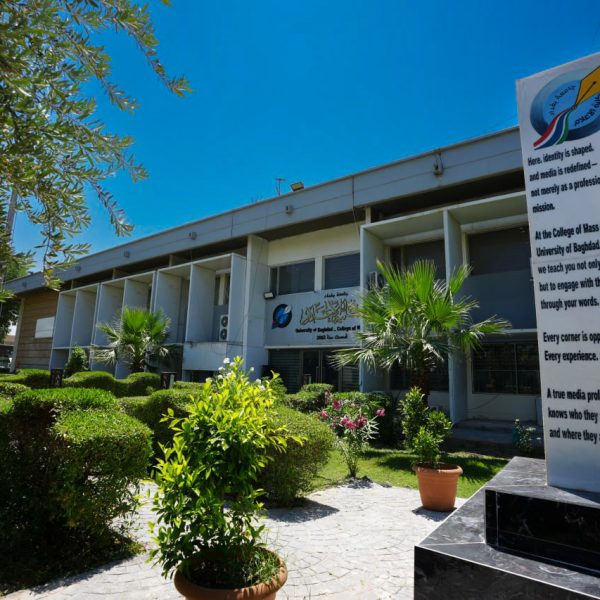
The College of Mass Communication at the University of Baghdad is one of the leading academic institutions specializing in media and communication. It also contributes to studies and research addressing developments in the media sector and the digital transformation.
This initiative aligns with United Nations Sustainable Development Goal 17: Partnerships for the Goals, by expanding institutional cooperation and facilitating the exchange of expertise between regulatory and academic bodies, thereby contributing to the advancement of media work and media and information literacy at both the national and Arab levels.


